
Quick Read
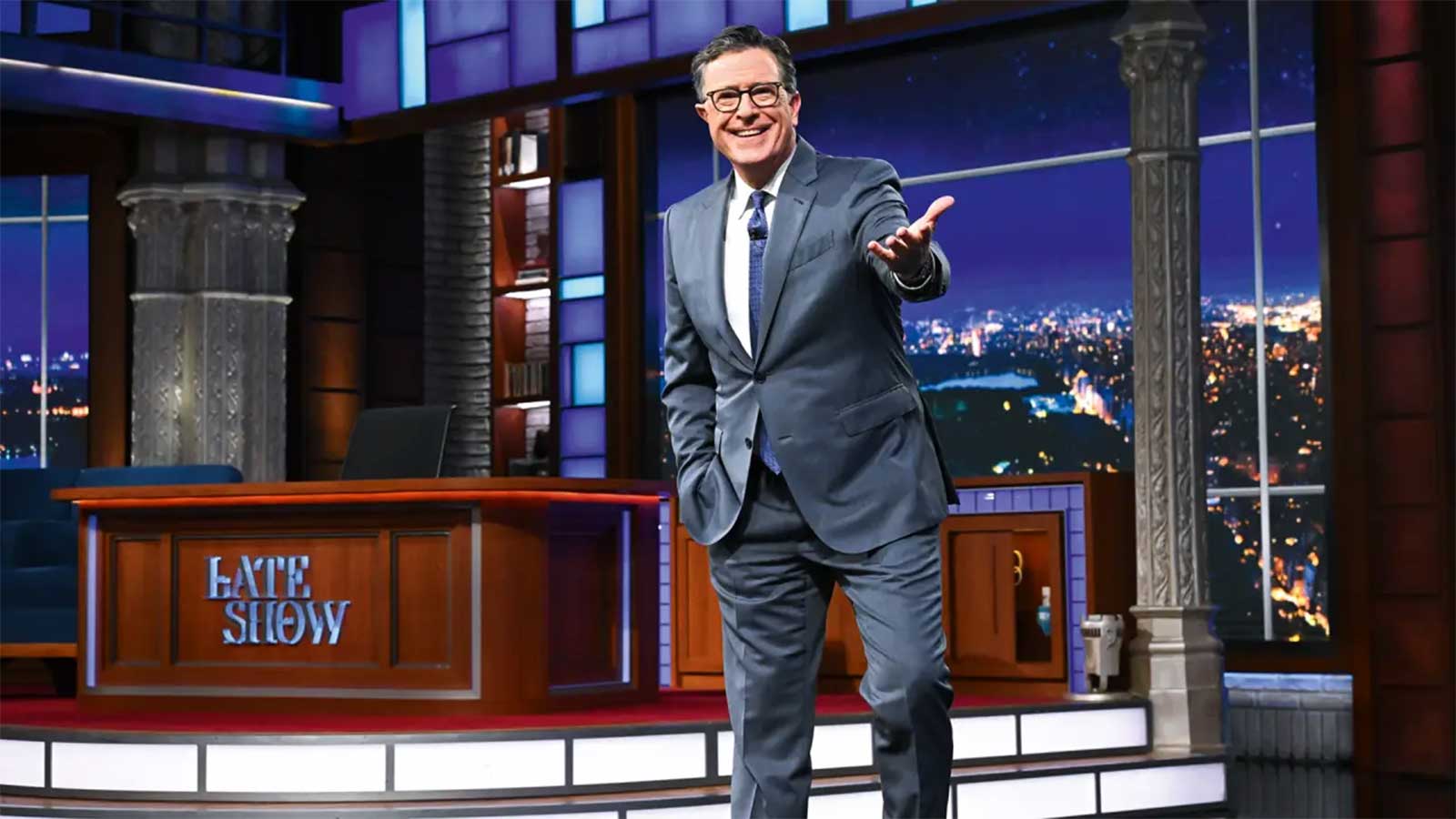
- Stephen Colbert highlighted Zohran Mamdani’s victory in the NYC mayoral race on ‘The Late Show.’
- Billionaires Ron Lauder, Bill Ackman, and Joe Gebbia collectively spent over $6 million against Mamdani.
- Colbert joked about the broad coalition supporting Mamdani, referencing diverse professions and backgrounds.
- Other Democratic wins in New Jersey and Virginia were also mentioned in Colbert’s monologue.
- Colbert’s satire underscored the impact of grassroots activism over big-money opposition.
Stephen Colbert Spotlights Zohran Mamdani’s Shocking Win
Late-night television has a way of capturing the pulse of politics with a sharp, comedic edge. On Wednesday’s episode of “The Late Show With Stephen Colbert,” the host wasted no time addressing the seismic shift in New York City’s political landscape: Zohran Mamdani’s victory in the mayoral race. The result not only surprised pundits but sent ripples through the ranks of wealthy donors who had staked millions against Mamdani’s campaign.
Colbert, never one to shy away from a punchline, described the night as “a bad day for billionaires.” But in the world of satire, even a bad day for the ultra-rich comes with a wink—“they’re still billionaires,” Colbert quipped, suggesting that while political fortunes may shift, financial empires remain largely untouched.
Billionaire Backlash: Who Tried to Block Mamdani?
The New York City mayoral race was marked by an unprecedented influx of money from high-profile billionaires intent on shaping the outcome. Colbert listed them by name: cosmetics heir Ron Lauder poured $2.6 million into anti-Mamdani efforts, hedge fund investor Bill Ackman contributed $1.75 million, and Airbnb co-founder Joe Gebbia added $2 million to the cause. Their combined financial firepower was formidable, but ultimately, not enough.
“Mamdani didn’t just defeat Andrew Cuomo and Curtis Sliwa. He nut punched New York’s fattest cats,” Colbert declared, painting a vivid image of a grassroots campaign prevailing over elite interests. The host’s monologue underscored a larger theme: money doesn’t always guarantee victory, especially when voters mobilize across neighborhoods and backgrounds.
A Coalition as Diverse as New York Itself
Colbert’s comedic take extended to Mamdani’s post-election gratitude, lampooning the mayor-elect’s exhaustive thank-you list: “Latvian truck drivers and Nepalese librarians, Polish fishermen and pizza chefs from Eswatini, which used to be called Swaziland.” The joke hinted at Mamdani’s ability to build a coalition that truly reflects the city’s mosaic of cultures and professions—a feat that resonated with voters tired of politics as usual.
“My wife got me an atlas for my birthday and now we all have to pay the price,” Colbert riffed, poking fun at the exhaustive global roll call. But beneath the humor, the message was clear: Mamdani’s victory was powered by ordinary New Yorkers from every walk of life, not just by the influential or the wealthy.
National Implications: Democrats Score Broad Wins
Mamdani’s win wasn’t an isolated event. Colbert also spotlighted other Democratic victories, including Mikie Sherrill’s gubernatorial triumph in New Jersey and Abigail Spanberger’s in Virginia. The night’s results suggested a shifting political tide, with progressive candidates outperforming expectations even in the face of well-funded opposition.
For Colbert, these victories provided rich material—not just for jokes, but for reflection on the state of American democracy. The host’s trademark blend of humor and insight turned an ordinary monologue into a sharp commentary on the power dynamics at play.
Colbert’s Satire: Entertainment Meets Political Commentary
“The Late Show With Stephen Colbert” has become a fixture for audiences seeking both laughter and perspective. Colbert’s approach to Mamdani’s victory was no exception: he balanced biting satire with genuine acknowledgment of the campaign’s grassroots momentum. By highlighting the billionaire donors and poking fun at their defeat, Colbert drew attention to the outsized role money can play in American politics—while celebrating a rare moment when it wasn’t decisive.
The segment also reflected Colbert’s skill at connecting local events to broader national themes. In a media landscape often dominated by headlines about big donors and political insiders, Colbert reminded viewers of the importance of civic engagement and the unpredictable nature of elections.
The Road Ahead: What Mamdani’s Win Means for NYC
With Mamdani set to take office, questions abound about what his administration will prioritize and how he’ll navigate the entrenched interests that remain. While Colbert’s jokes about billionaires’ “bad day” may offer a moment of levity, the underlying reality is that challenges persist—and the new mayor’s coalition will be tested as he transitions from campaign trail to city hall.
Yet, as Colbert’s monologue suggested, the victory itself is significant. It signals a moment when grassroots activism and broad-based support can overcome the barriers erected by wealth and influence. The coming months will reveal whether Mamdani can turn his diverse coalition into lasting change for New Yorkers.
Colbert’s satirical lens captured the tension between wealth and democracy in New York’s mayoral race, highlighting how Mamdani’s victory defied expectations and demonstrated that broad, inclusive coalitions can disrupt even the most well-funded opposition. The story isn’t just about one election—it’s about the enduring possibility for ordinary citizens to shape their city’s future, even when the odds seem stacked against them.